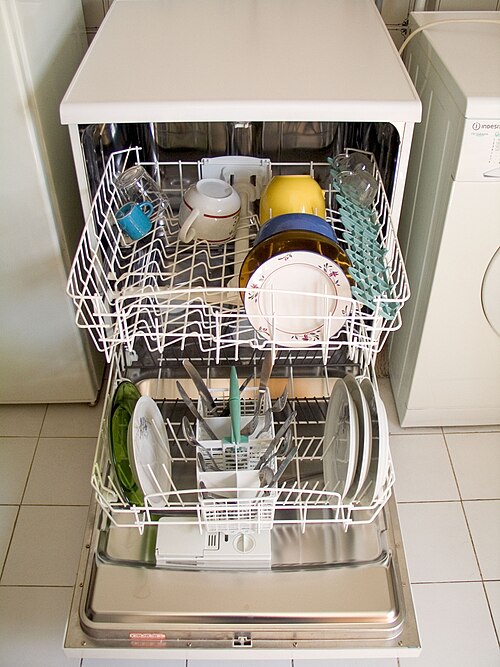
A dishwasher uses less water, but who wins on cost and carbon? We compare it with frugal hand-washers (UK measurement) and average ones (German experiment), with gas or electric hot water and different loads, and work out how many days a single person should wait before running a load.
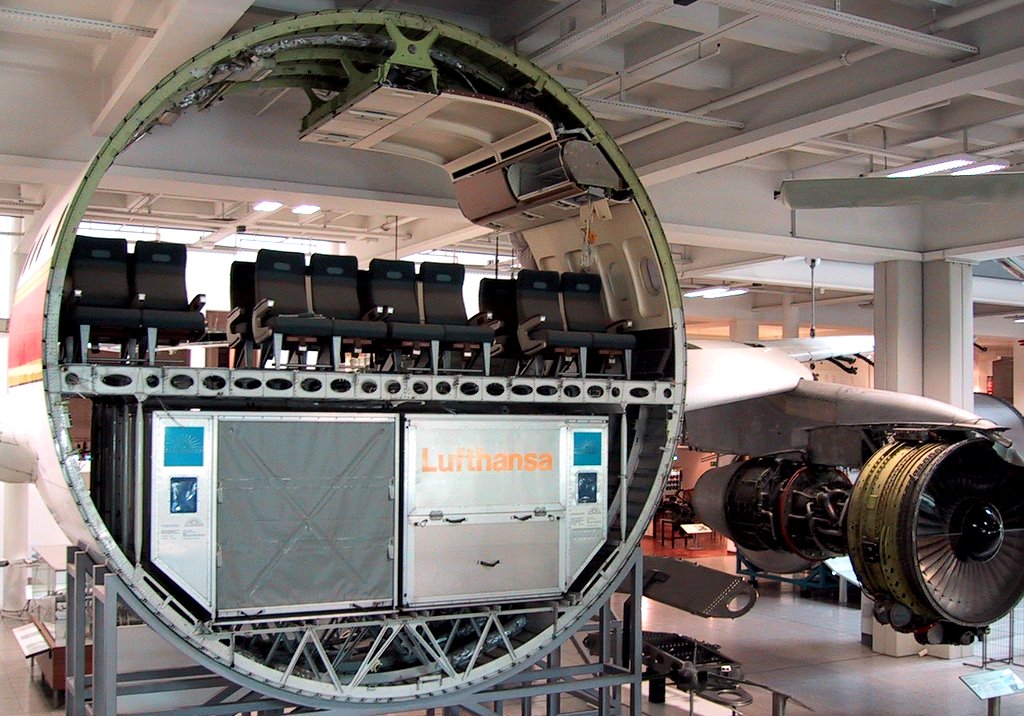
We build up the cost of one Incheon–Los Angeles flight line by line, then split it by the floor area each seat actually occupies. How many of the 269 seats have to sell before the airplane breaks even — and does business class really cover the flight on its own?
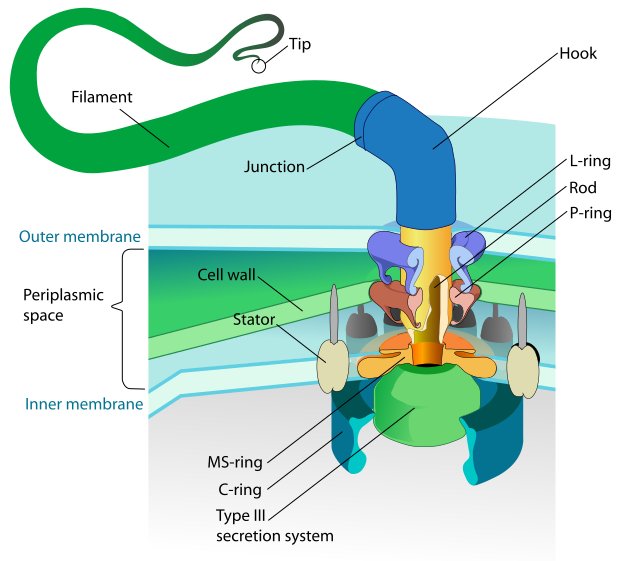
We count everything from building and furniture doors to bacterial flagellar motors, one category at a time, using Merriam-Webster as the only ruler. The lead changes hands three times, and the shakiest reversal comes down to how many Hot Wheels cars are still rolling around somewhere.
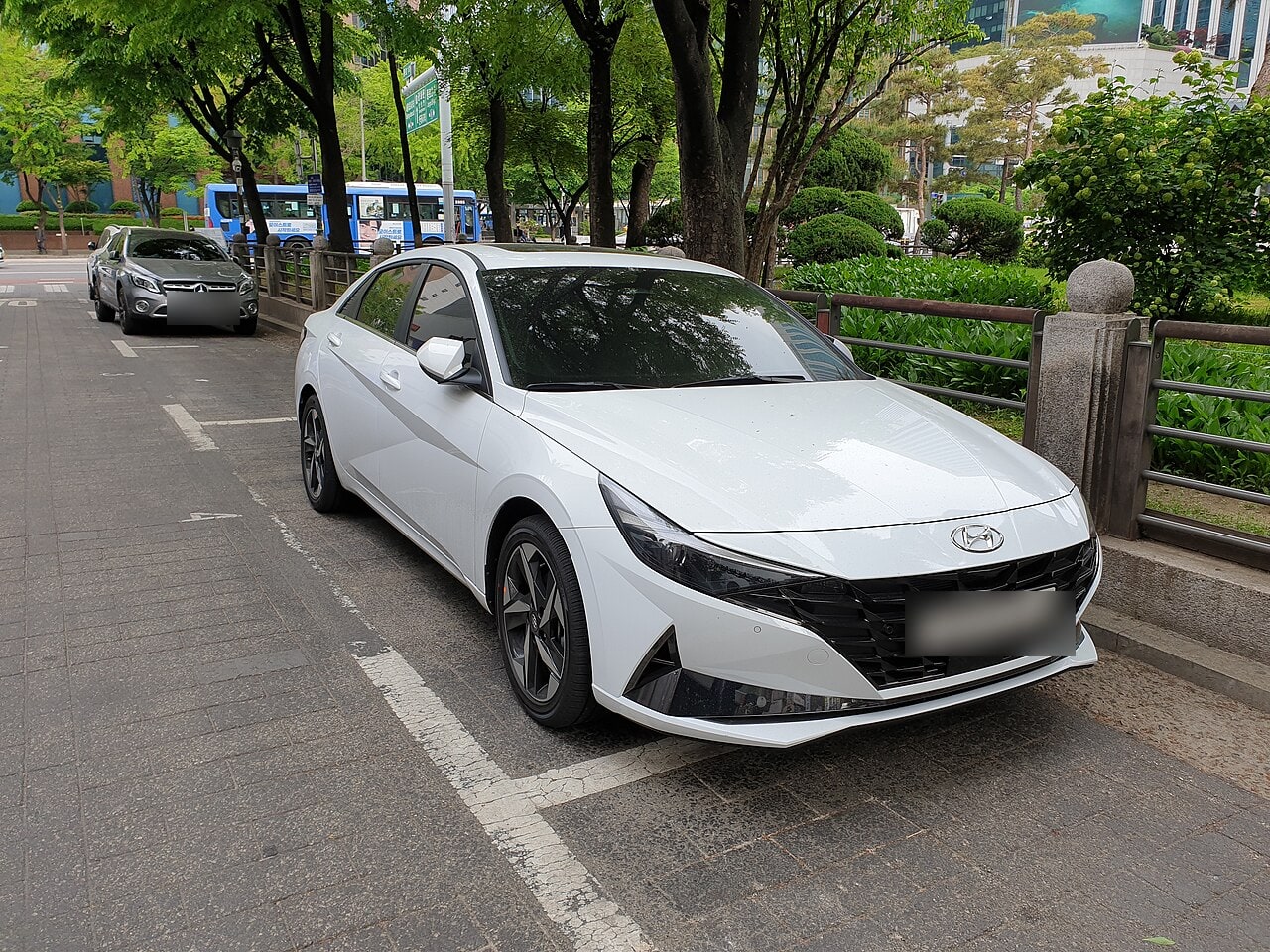
How much does the same Hyundai Elantra (the Avante in Korea) really cost over five years — bought new, bought as a 3-year-old used car, or on a 60-month long-term rental? This piece breaks down exactly what the lease's ₩49,021 (≈$34) monthly premium over buying new actually buys — depreciation uncertainty, breakdown risk, upfront capital — and finds the new-vs-used race, a ₩1.27M gap in cash terms, closes to a mere ₩9,193 once real financing rates enter the picture.
#car TCO#new vs used car#car lease#car depreciation#auto financing
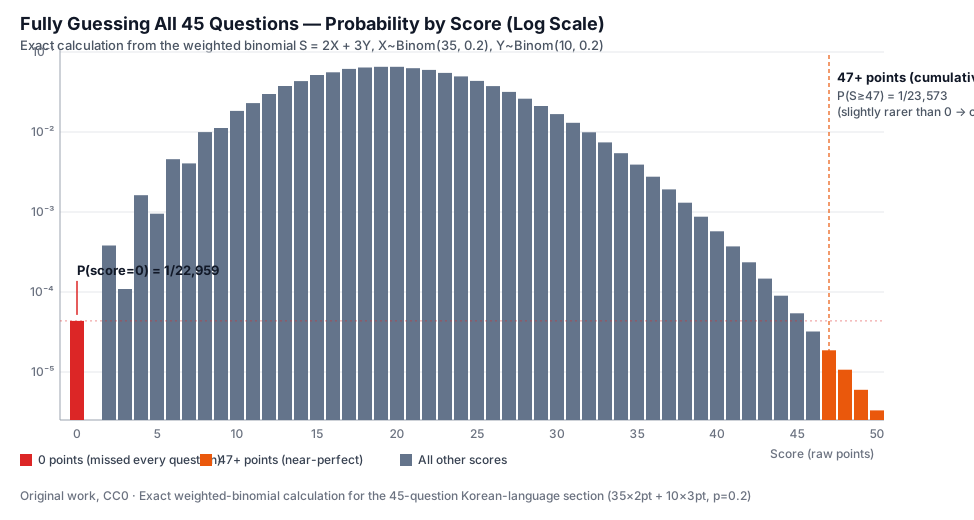
Guess your way through all 45 questions on the Korean-language section of Korea's CSAT and the math says you'll land near 20 points, with a standard deviation of 6.07. But the odds of a flat zero sit in the exact same statistical neighborhood as the odds of scoring 47 or higher. The probability of a perfect 100 is 3.52×10⁻³² — 8,158 times the age of the universe, even with 8 billion people guessing once a second. The twist: that terrible probability comes from question count, not difficulty, until real perfect-scorer data reveals the actual culprit is a handful of killer questions. Run the same math on the redesigned ACT and the odds get even more absurd.