Society & Law

Calculations through the lens of law, policy, sociology, and statistics

400 Francs Alive, $82.5 Million Dead — What Was Van Gogh's Painting Actually Worth?

400 Francs Alive, $82.5 Million Dead — What Was Van Gogh's Painting Actually Worth?

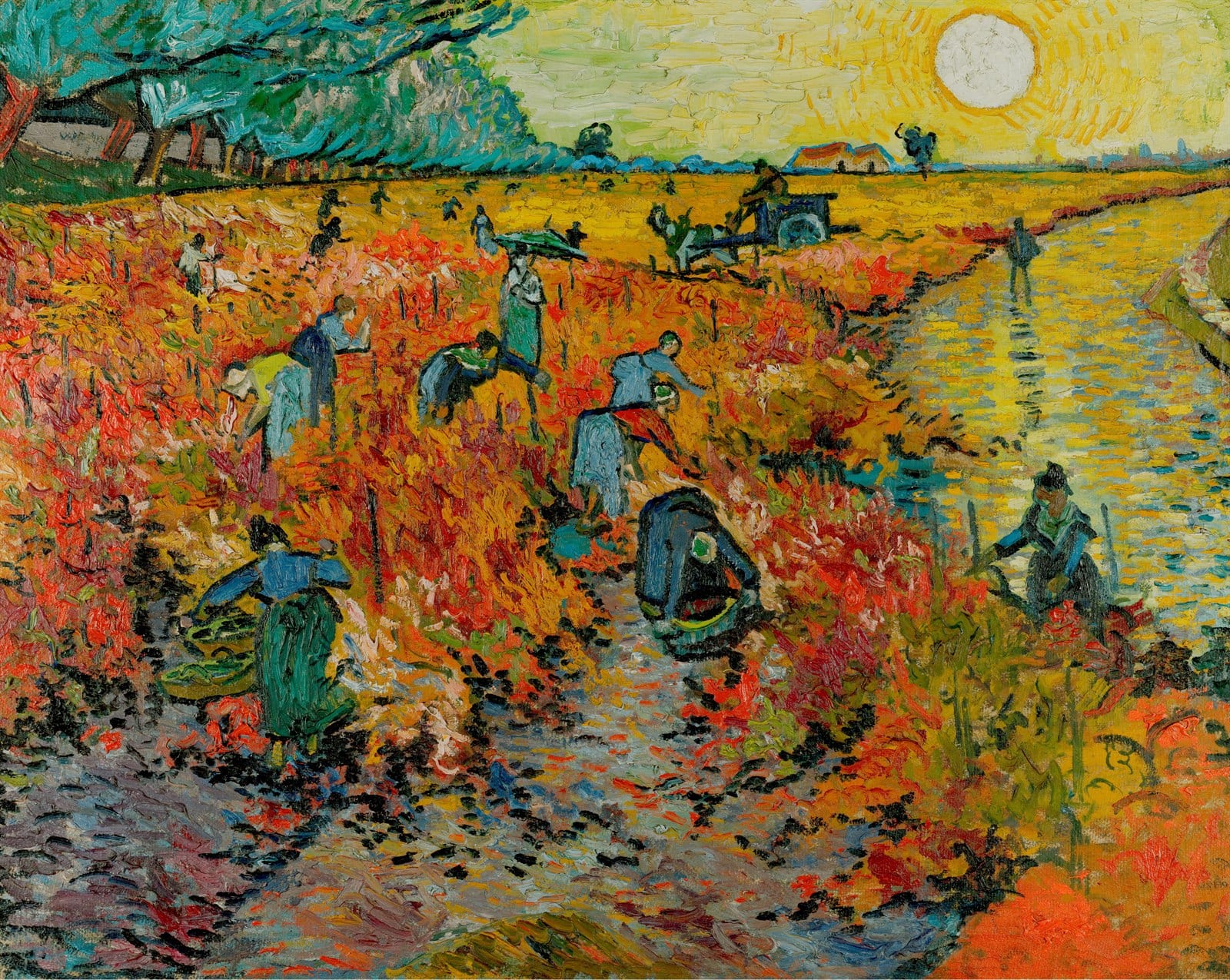
Van Gogh sold exactly one painting in his lifetime — The Red Vineyard, for 400 francs. A century later, Portrait of Dr. Gachet sold at Christie's for $82.5 million. Three conversion methods (gold standard, CPI, wage-indexed) put 400 francs somewhere between $3,300 and $11,600 in today's money, a 3.5× spread that is itself the point. The tragedy multiplier runs from 7,100× to 60,000×. Then the counterexample arrives: Picasso died with ~$750M, and Damien Hirst grossed $200M from a single auction — while still alive.

How Much Would the Great Pyramid Cost to Build Today? Three Scenarios — and the Real Measure of Pharaonic Power

How Much Would the Great Pyramid Cost to Build Today? Three Scenarios — and the Real Measure of Pharaonic Power

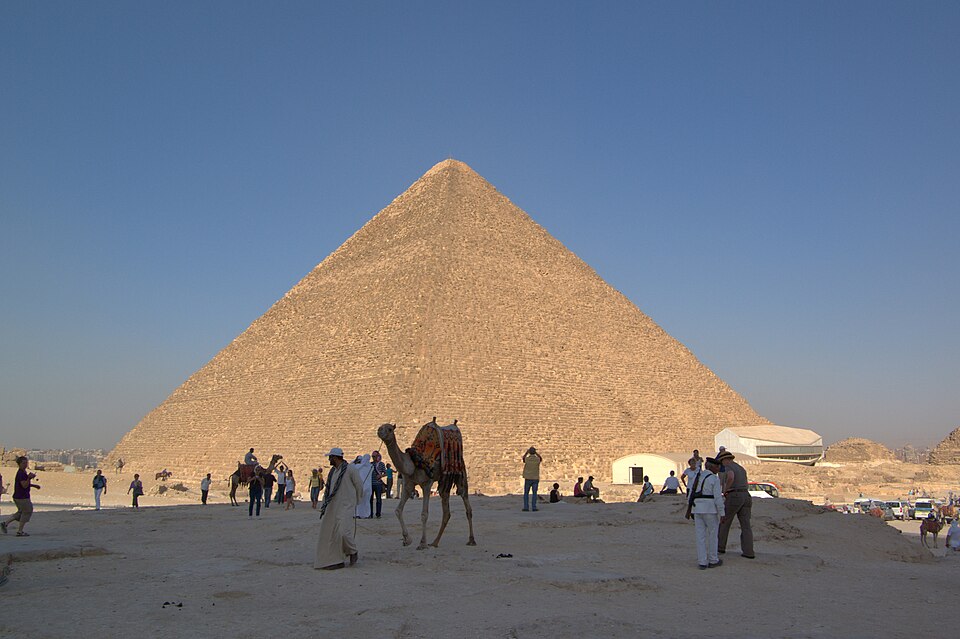
Three parallel calculations on what the Great Pyramid would cost in today's money: modern heavy equipment runs ~$1.5B; ancient hand-quarrying at global construction wages runs ~$22B; the grain rations Khufu actually paid convert to as little as $253M. But how much he 'underpaid' swings from 1× to 87× depending on how you value ancient labor — and the figure that doesn't move is the real measure of his power: locking 2.75% of the workforce onto one building for a generation.

What Does a $3.30 Coffee Actually Cost? Land, Carbon, and Labor

What Does a $3.30 Coffee Actually Cost? Land, Carbon, and Labor

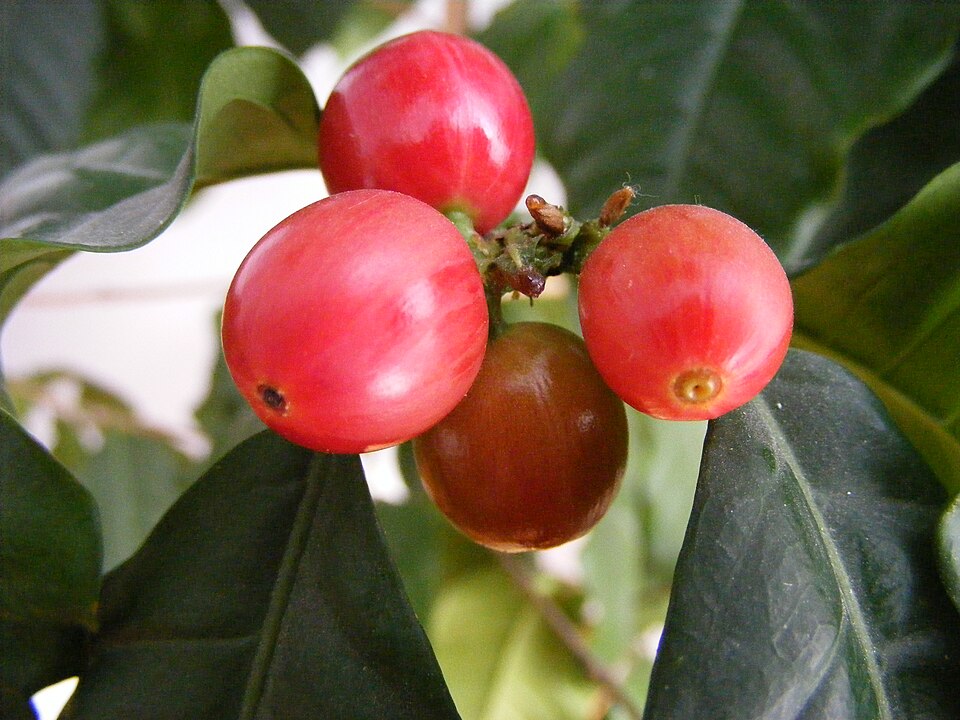
A single americano hides three numbers your receipt doesn't show: 0.78 m² of farmland, 0.067 kgCO₂e of carbon (ten times more if you add milk), and USD 0.0012 in harvest wages — 0.035% of the cafe price. Three lenses, one cup, all the math shown.

How Many Times Must You Use a Tote Bag to Break Even?

How Many Times Must You Use a Tote Bag to Break Even?

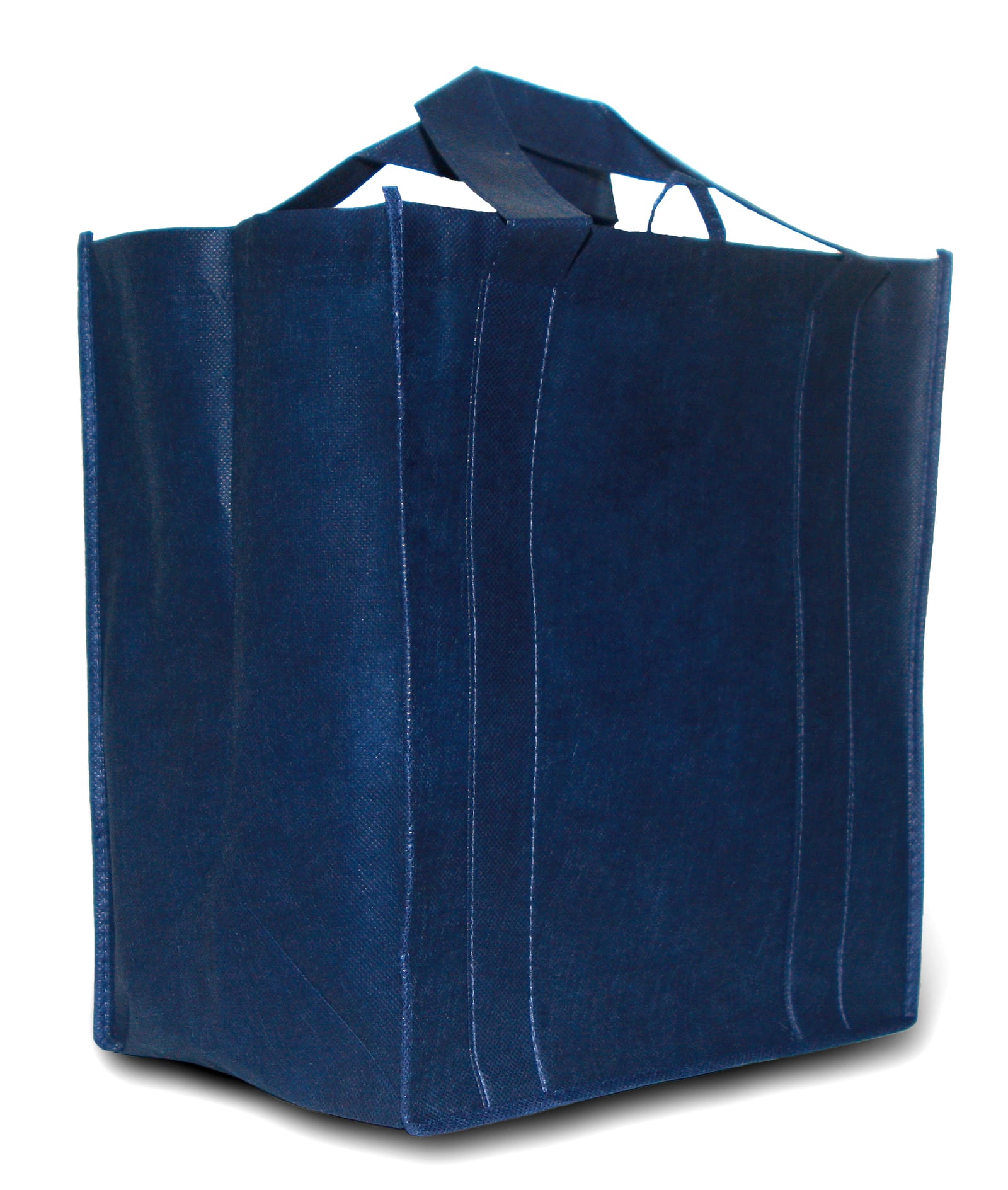
A cotton tote bag has a much larger production footprint than a plastic bag. The break-even point is 52–131 uses under GWP alone, or up to 7,100 uses if ozone depletion is factored in. Average real-world use? About 51 times. And individual savings amount to roughly one 89-billionth of the annual global production growth in carbon terms. Two reversals, one calculation.