Cosmic & Scale

Calculations that zoom out to the planetary, galactic, or otherwise jaw-dropping scale

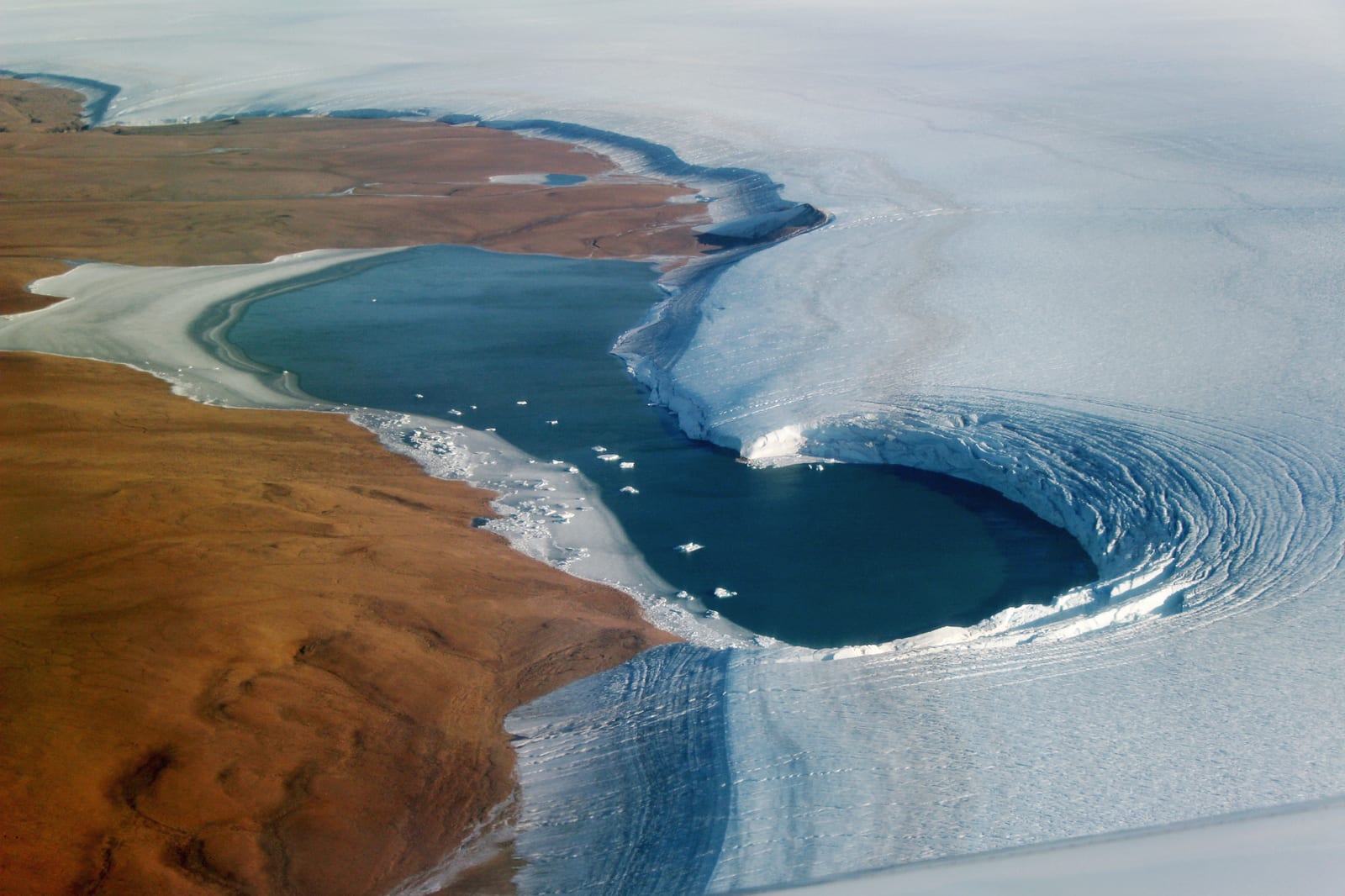
How Much Will Sea Level Rise If Ice Melts?

How Much Will Sea Level Rise If Ice Melts?

Adjust melt rates of Greenland ice sheet, Antarctic ice sheet, and mountain glaciers to calculate sea level rise directly. An interactive calculator covering IPCC low/high emission scenarios through complete melting, where you can explore different futures by adjusting sliders.

If a Global Flood Diluted the Ocean, Why Is It Still Salty? Three Models, and a Verdict for the Fish

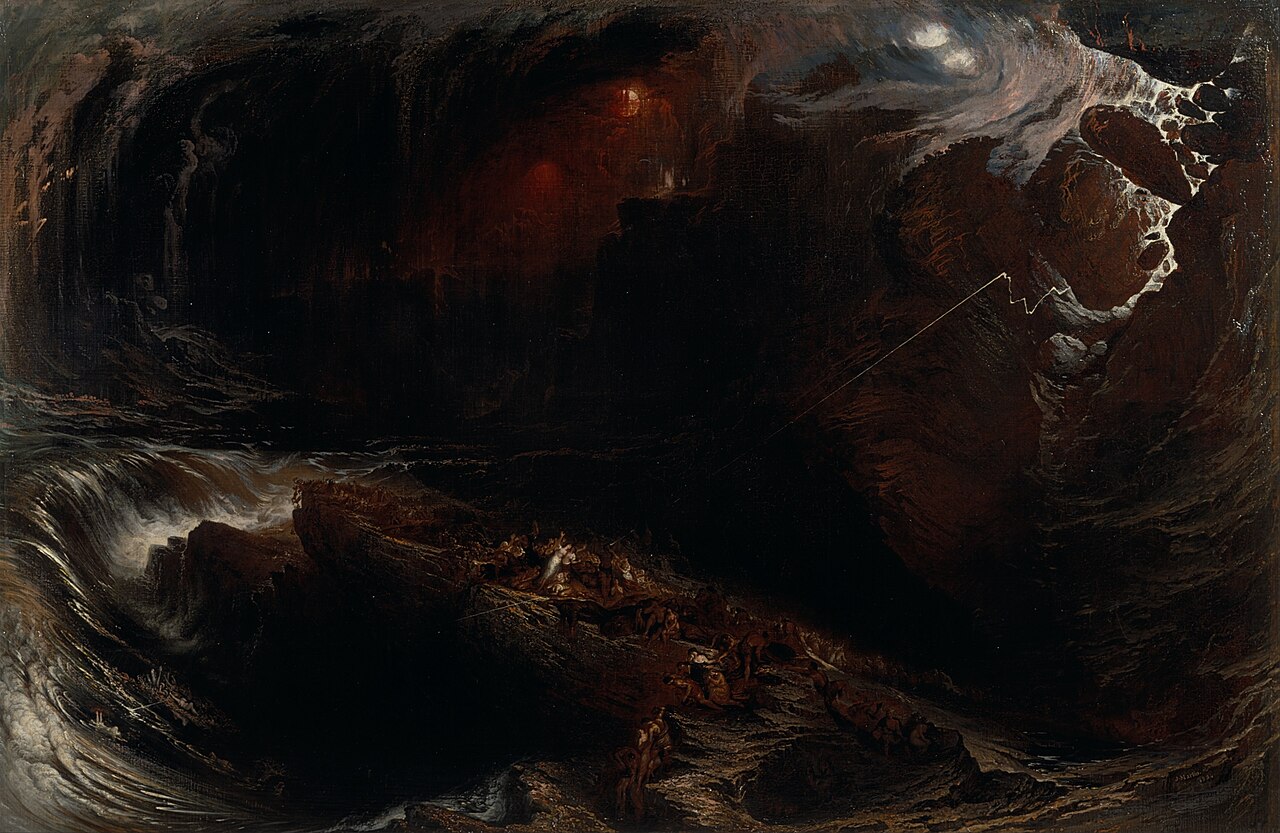
If a Global Flood Diluted the Ocean, Why Is It Still Salty? Three Models, and a Verdict for the Fish

If the whole world flooded with fresh water, why would the ocean still end up salty? We run three models side by side — a fixed-geography dilute-then-recover model, a Pangaea / catastrophic-tectonics back-calculation, and a third that asks whether the flood water itself was fresh or salty to begin with. None of the nine resulting scenarios leaves a salinity band where freshwater and saltwater fish could both survive.

How Many People Are Awake Right Now? And When Are the Most People Awake?

How Many People Are Awake Right Now? And When Are the Most People Awake?

By mapping 8.11 billion people across 26 UTC time zones and overlaying a sinusoidal sleep-wake model, we calculate the global wakefulness curve. The peak hits UTC 06:12 — London 6 a.m., New York 1 a.m. — at roughly 5.9 billion awake, because India and China together account for 39% of humanity. Even at the trough (UTC 18:12), 2.7 billion people are still up. The swing ratio is 2.2×.

The Math of Soulmates: 13,400× Harder Than the Lottery — or Basically Inevitable?

The Math of Soulmates: 13,400× Harder Than the Lottery — or Basically Inevitable?

Two numbers, two completely opposite stories. The odds that one specific person out of 109 billion historical humans is your pre-assigned partner: about 13,400 times worse than winning the lottery. The realistic expected count of compatible people you'll actually meet in a lifetime: roughly 50 — with the probability of meeting at least one rounding to 1.000.