Money & Economy

Calculations involving prices, markets, taxes, debt, inflation, and economic intuition

Gas, Diesel, Hybrid, or EV — Which Is Cheapest Over 5 Years? At 7, the Answer Flips

Gas, Diesel, Hybrid, or EV — Which Is Cheapest Over 5 Years? At 7, the Answer Flips

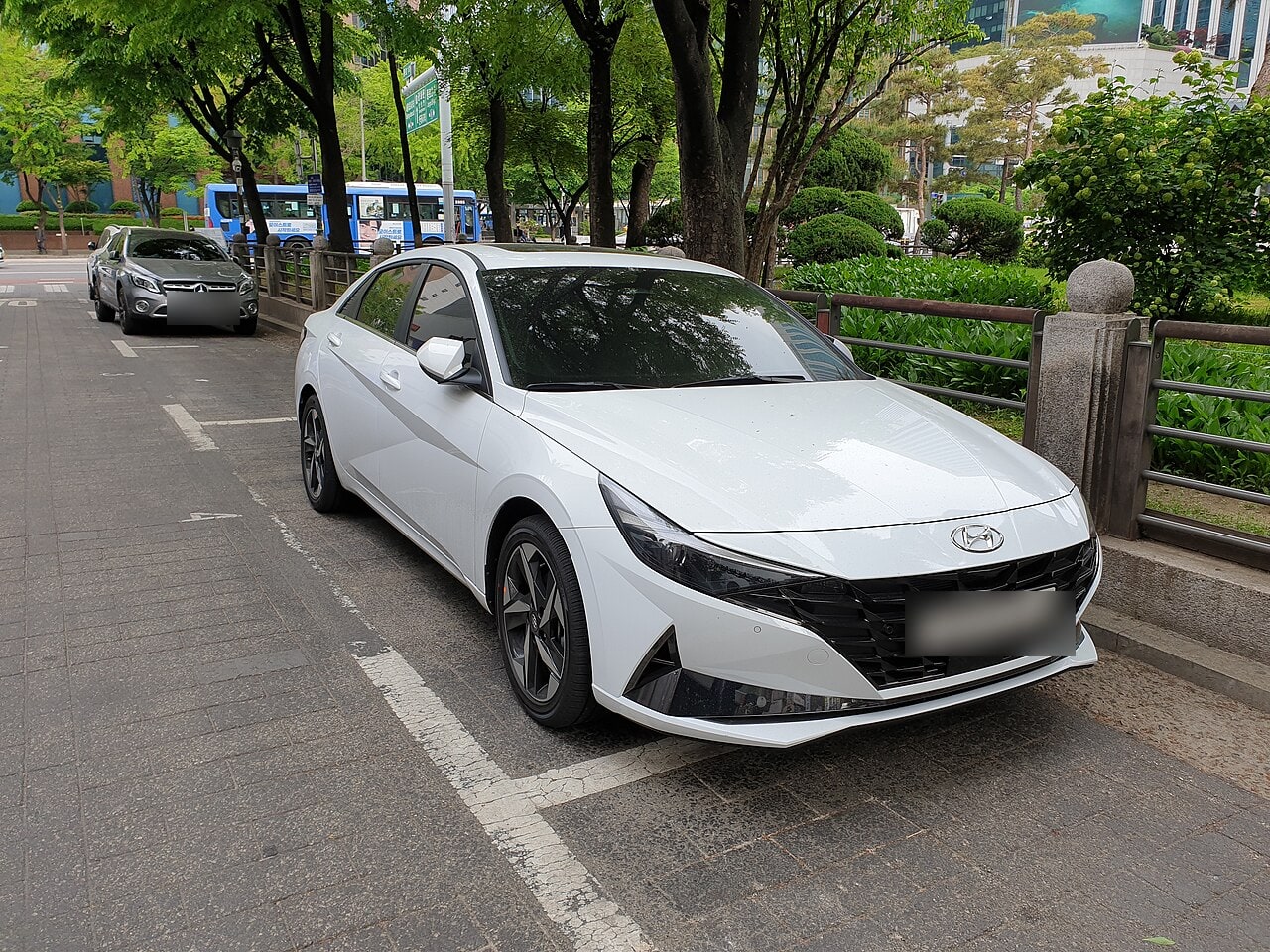
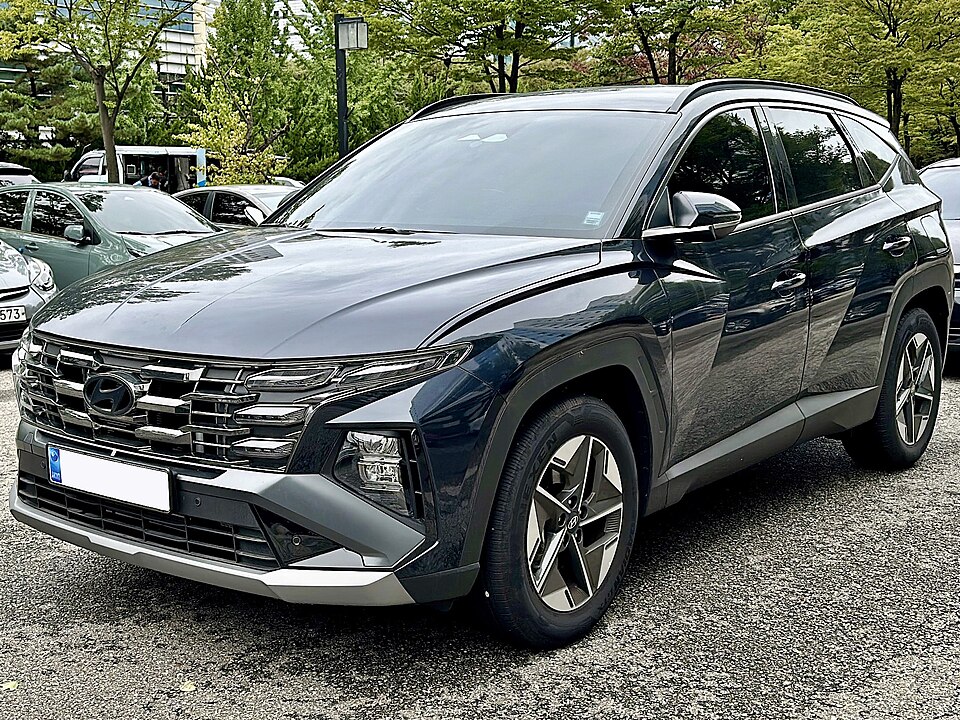
A car's sticker price is just the opening bid. Add in fuel, insurance, registration tax, maintenance, and resale value, and the total cost of ownership (TCO) tells a very different story. We run the numbers on a Hyundai Tucson in gasoline, diesel, and hybrid trims plus an IONIQ 5 EV — and the cheapest car changes not once but twice as ownership length and annual mileage shift.

400 Francs Alive, $82.5 Million Dead — What Was Van Gogh's Painting Actually Worth?

400 Francs Alive, $82.5 Million Dead — What Was Van Gogh's Painting Actually Worth?

Van Gogh sold exactly one painting in his lifetime — The Red Vineyard, for 400 francs. A century later, Portrait of Dr. Gachet sold at Christie's for $82.5 million. Three conversion methods (gold standard, CPI, wage-indexed) put 400 francs somewhere between $3,300 and $11,600 in today's money, a 3.5× spread that is itself the point. The tragedy multiplier runs from 7,100× to 60,000×. Then the counterexample arrives: Picasso died with ~$750M, and Damien Hirst grossed $200M from a single auction — while still alive.

How Much Would the Great Pyramid Cost to Build Today? Three Scenarios — and the Real Measure of Pharaonic Power

How Much Would the Great Pyramid Cost to Build Today? Three Scenarios — and the Real Measure of Pharaonic Power

Three parallel calculations on what the Great Pyramid would cost in today's money: modern heavy equipment runs ~$1.5B; ancient hand-quarrying at global construction wages runs ~$22B; the grain rations Khufu actually paid convert to as little as $253M. But how much he 'underpaid' swings from 1× to 87× depending on how you value ancient labor — and the figure that doesn't move is the real measure of his power: locking 2.75% of the workforce onto one building for a generation.

What Happens When You Buy Every Lottery Combination? A Full Cost-Benefit Analysis

What Happens When You Buy Every Lottery Combination? A Full Cost-Benefit Analysis

Buying all 8.1 million Korean Lotto combinations costs about ₩8.1 billion (~US$6.0M). Even winning the jackpot solo doesn't cover it in a typical draw. Buying half looks like a 50/50 coin flip — but the loss when you miss is 3× the gain when you hit. We work out exactly when it becomes theoretically profitable and how big a Powerball jackpot you'd need.